
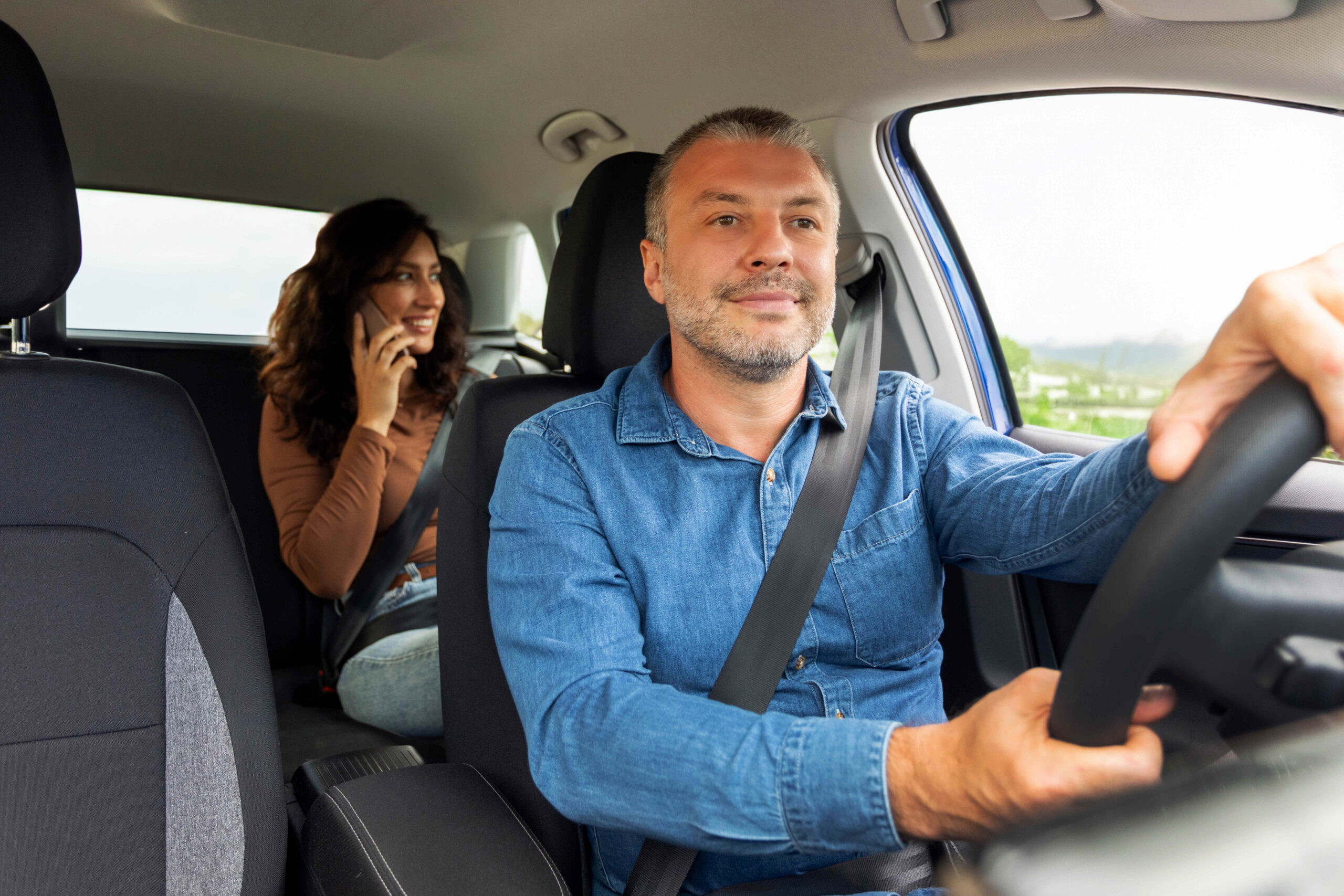
The rise of platforms like Uber and Turo created an entirely new category of insurance question that did not really exist a couple of decades ago, namely who is actually covered when a personal vehicle is being used for a commercial or semi-commercial purpose through an app. The honest answer is that coverage in this space is layered, with real gaps between the layers, and understanding exactly where those gaps sit matters enormously for anyone participating in these platforms either as a driver or as a vehicle owner.
Why Your Personal Policy Usually Steps Back
The starting point for understanding this entire topic is recognizing that most personal auto insurance policies contain explicit exclusions for commercial use, and both rideshare driving and peer-to-peer car sharing generally qualify as commercial use in the eyes of a standard personal policy. This means that simply having a personal auto policy in place does not automatically protect you once you turn on a rideshare app or hand your car keys to a Turo guest, and insurers who discover undisclosed commercial activity on a policy can deny a specific claim or, in some cases, cancel the entire policy rather than just declining coverage for that incident. This exclusion catches a lot of people off guard specifically because the vehicle involved is the same one they have always insured personally, which makes it feel intuitive that the existing policy should simply keep working, even though the actual activity taking place has changed in a way that matters enormously to how the policy is written.
How Rideshare Coverage Is Structured in Distinct Phases
Uber and similar rideshare platforms generally structure their own coverage around three distinct phases of a driver’s shift, and the coverage level differs meaningfully between them. During the period when the app is off, only your personal policy applies, and rideshare activity is irrelevant to that coverage. Once the app is turned on and the driver is waiting for a ride request, a narrower phase begins where the platform typically provides only liability coverage at relatively modest limits, covering injuries or damage to other people but generally not covering damage to the driver’s own vehicle, which creates a real gap if the driver’s car is damaged during this waiting period and their personal insurer denies the claim due to the commercial use exclusion. Once a ride is accepted and a passenger is picked up, the platform’s coverage becomes considerably more robust, typically including higher liability limits along with contingent collision and comprehensive coverage for the vehicle itself. This structure means the most dangerous gap for most rideshare drivers sits specifically in that middle phase, waiting for a request with the app on, which is exactly why many insurers now offer a rideshare endorsement that can be added to a personal policy to specifically close that gap.
How Car-Sharing Coverage Works Differently for Turo
Peer-to-peer car sharing through platforms like Turo works on a meaningfully different structure than rideshare driving, since the core transaction involves one party renting their vehicle to another party who then drives it, rather than a single driver using their own vehicle to transport passengers. Turo’s own protection plans generally apply only during an active rental, beginning the moment a guest picks up the vehicle and ending when it is returned, which means a host’s vehicle sitting idle between rentals is covered only by whatever personal or commercial policy the host maintains independently. During an active rental, Turo’s coverage typically includes liability protection for third parties and some level of physical damage coverage for the host’s vehicle, though the reimbursement level and deductible vary considerably depending on which protection plan tier the host selected when listing the vehicle. Because personal auto policies so consistently exclude coverage for a vehicle being rented to others, contacting your insurer before ever listing a vehicle on a car-sharing platform is not an optional precaution, it is a necessary step to understand whether your specific policy will be affected simply by your participation in the platform, regardless of whether a claim ever actually arises.
Why Disclosure to Your Insurer Matters More Than People Assume
A theme that runs through both rideshare and car-sharing insurance is that insurers generally want to know about this kind of activity in advance, not after a claim has already been filed, and the consequences of nondisclosure can be more serious than many people expect. Some insurers will simply add an appropriate endorsement and continue coverage once informed, while others may decline to continue covering a vehicle used for these purposes at all, effectively forcing a driver or host to find alternative coverage, but in either case, the insurer’s response to proactive disclosure tends to be considerably more manageable than the insurer’s response to discovering undisclosed commercial activity during a claims investigation after an accident has already happened. Treating this disclosure as a routine part of signing up for either type of platform, rather than an afterthought to deal with only if something goes wrong, is the single most effective thing a participant in either platform can do to avoid an expensive and stressful coverage dispute down the line.
Putting Together a Coverage Strategy That Actually Closes the Gaps
For rideshare drivers, the most reliable approach is typically adding a specific rideshare endorsement to an existing personal auto policy, which is usually far less expensive than a full commercial policy while still closing the dangerous waiting-period gap that the platform’s own coverage leaves open. For Turo hosts, evaluating whether the platform’s own protection plan provides adequate coverage for the vehicle’s actual value, and separately confirming with a personal insurer how listing on the platform affects the policy outside of active rental periods, together form a more complete picture than relying on either coverage source alone. In both cases, the underlying principle is the same, which is that no single layer of coverage, whether personal, platform-provided, or an added endorsement, is designed to handle every scenario on its own, and understanding exactly where each layer starts and stops is what actually protects a driver or a vehicle owner rather than assuming any one policy has the full picture covered.
Delivery Platforms Add Yet Another Variation on This Pattern
Delivery platforms such as food and grocery delivery services introduce a related but distinct version of this same layered coverage question, since delivery drivers are typically using their personal vehicle for a commercial purpose in a way that shares similarities with rideshare driving but is not always treated identically by either the platform or by insurers. Some personal auto insurers explicitly exclude delivery activity in the same way they exclude rideshare and car-sharing activity, while a smaller number of insurers draw a narrower distinction, treating occasional delivery of goods not facilitated by a formal platform differently from delivery arranged through an app-based service. This inconsistency across insurers is exactly why a driver considering delivery work through any platform should confirm directly with their own insurer how that specific carrier treats delivery activity, rather than assuming the answer will match what a friend using a different insurer has been told, since the treatment can vary meaningfully even for what looks like the same underlying activity.