Hobbies are often where people invest the most time, energy, and passion—and sometimes a surprising amount of money. Whether it is a collection of rare items, high-end photography gear, drones, or even amateur racing equipment, these pursuits can quickly outgrow the protection offered by standard insurance policies.
The challenge is that most hobbyists do not realize they are underinsured until something goes wrong. Standard homeowners or renters insurance may provide limited coverage, but it often falls short when it comes to high-value collections or activities that carry additional risk. The right insurance strategy is less about adding more coverage and more about matching protection to how you actually use and value your hobby.
Why standard policies often fall short
Homeowners and renters insurance typically include some coverage for personal belongings, but that coverage is designed for everyday items, not specialized collections or equipment. Policies often include limits on certain categories such as collectibles, electronics, or tools, which can significantly reduce how much you are reimbursed after a loss.
Another issue is how claims are valued. Standard policies may reimburse based on actual cash value, which factors in depreciation. For collectibles or rare items that may appreciate over time, this approach can result in payouts that fall well below their true market value.
High-risk hobbies introduce an additional complication. Activities like drone flying or amateur racing may fall under exclusions related to business use, aviation, or motorsports. This means that even if you assume you are covered, your policy may not apply in certain situations.
Understanding coverage for collections and rare items
Collectors often build their collections over years, sometimes decades. Whether it is coins, sports memorabilia, art, or vintage items, these collections can represent both financial and emotional value.
Specialized collectible insurance is designed to address the gaps in standard policies. These policies often provide agreed value coverage, which means you and the insurer establish the value of the item upfront. In the event of a loss, you are paid that agreed amount rather than a depreciated value.
They may also offer broader protection, including coverage for accidental damage, loss during transit, and even market value appreciation in some cases. This is particularly important for items that are frequently moved, displayed, or traded.
Here is a comparison of how standard and specialized coverage differ:
| Coverage Type | Valuation Method | Protection Level | Best Use Case |
|---|---|---|---|
| Standard homeowners | Actual cash value | Limited with category caps | Everyday belongings |
| Scheduled personal property | Agreed or appraised value | Higher limits for specific items | Individual high-value items |
| Collectibles insurance | Agreed value | Broad, specialized protection | Full collections |
This structure highlights why collectors often need more than a basic policy.
Insuring equipment-heavy hobbies
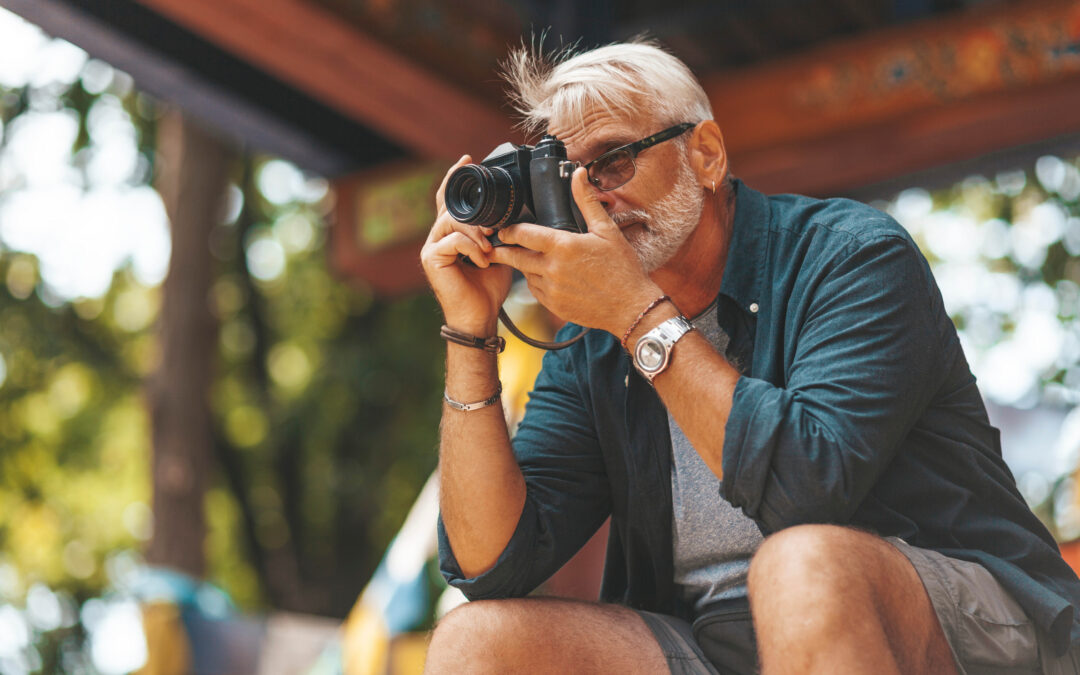
Many hobbies involve equipment that can be expensive to replace. Photography gear, musical instruments, woodworking tools, and similar items often exceed standard policy limits, especially when used regularly.
Scheduled personal property endorsements can extend your existing policy to cover specific items at higher values. This is often a cost-effective way to insure individual pieces of equipment without switching to a completely separate policy.
For more extensive setups, standalone equipment insurance may be a better fit. These policies can include broader coverage, such as protection against accidental damage or loss outside the home.
The key factor is usage. If your equipment stays mostly at home and is used casually, an endorsement may be enough. If it travels frequently or is used in more demanding environments, a dedicated policy may provide better protection.
High-risk hobbies and where coverage gets complicated
Some hobbies introduce risks that standard insurance policies are not designed to handle. Drone flying, amateur racing, and similar activities often fall into this category.
Drone use, for example, may not be fully covered under a standard homeowners policy, especially if the activity is considered aviation-related. Specialized drone insurance can cover damage to the drone itself as well as liability if it causes injury or property damage.
Amateur racing presents an even more complex scenario. Personal auto insurance typically excludes coverage for events that involve racing or speed contests. This means that damage to your vehicle or liability arising from these activities may not be covered at all.
In these cases, specialized policies are essential. They are designed to address the specific risks associated with the activity and provide coverage where standard policies do not apply.
Liability risks that hobbyists often overlook
While protecting your equipment or collection is important, liability is often the bigger financial risk. If your hobby causes damage to someone else’s property or results in injury, the costs can quickly exceed the value of the items involved.
For example, a drone accident that damages property or injures someone can lead to significant claims. Similarly, hosting events or displaying collections in public settings can introduce liability exposure.
Umbrella insurance can be a useful tool in these situations. It provides an additional layer of liability coverage that extends beyond your primary policies. This can be especially valuable for hobbyists whose activities involve public interaction or higher levels of risk.
How to determine what coverage you actually need
The right insurance setup depends on a few key factors. The total value of your collection or equipment, how often it is used or moved, and the level of risk associated with your hobby all play a role.
Start by creating a detailed inventory of your items. Include descriptions, purchase prices, and current estimated values. Photos and receipts can also be helpful for documentation.
Next, consider how and where your hobby takes place. Items that stay in one location generally carry less risk than those that are transported frequently. Activities that involve other people or public spaces introduce additional liability considerations.
Here are a few practical steps that can help clarify your needs:
- Document and regularly update the value of your collection or equipment
- Review your current policy for category limits and exclusions
- Identify whether your hobby involves liability risks
- Consider endorsements or specialized policies based on usage
These steps provide a foundation for building the right coverage strategy.
Balancing cost with meaningful protection
One of the biggest concerns for hobbyists is cost. Specialized insurance can add to your overall expenses, but it is important to weigh that cost against the potential financial impact of a loss.
In many cases, targeted coverage is more efficient than broad, generalized policies. Insuring only the items or risks that need additional protection can help keep costs manageable while still providing meaningful coverage.
It is also worth comparing different options. Some insurers specialize in certain types of collectibles or hobbies and may offer more competitive pricing or better coverage terms.
Turning your hobby into a protected investment
As hobbies grow, they often become more than just a pastime. Collections gain value, equipment becomes more sophisticated, and the financial stakes increase. At that point, treating your hobby like an asset rather than an afterthought becomes essential.
Insurance is a key part of that shift. It allows you to enjoy your passion without worrying about the financial consequences of unexpected events. When your coverage matches the true value and risk of your hobby, you are in a much stronger position.
Making smarter insurance decisions for your passions
Protecting your hobby does not mean overinsuring everything. It means understanding where your current coverage falls short and filling those gaps in a targeted way.
By evaluating your collection, equipment, and risk exposure, you can build a strategy that protects what matters without adding unnecessary cost. This approach turns insurance into a practical tool rather than just another expense.
For hobbyists and collectors, the goal is simple. Keep enjoying what you love, while making sure it is properly protected if something goes wrong.